Monsoon wind, rain and hail — and the roof after.

Storm Damage Roof Repair Scottsdale, AZ

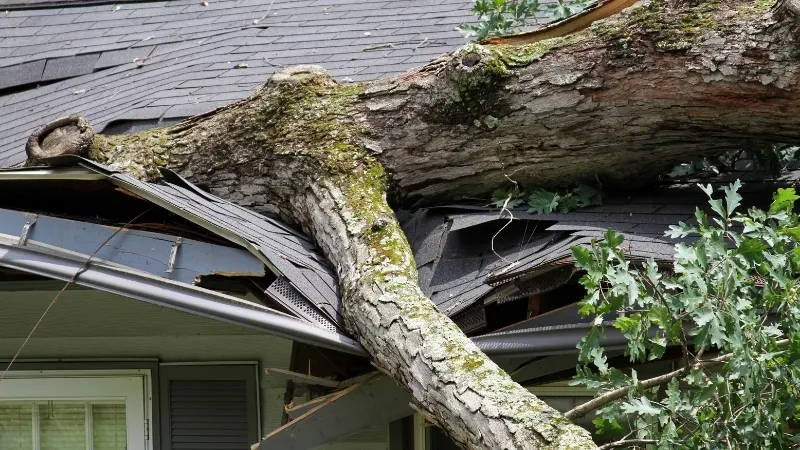
Storm damage roof repair in Scottsdale usually starts with a monsoon: a fast, hard storm between the middle of June and the end of September, with wind that lifts tiles and shingles, rain that finds every weak seam, and hail that bruises the surface. After the storm passes, the roof needs a careful look — not a quick glance from the yard — because the damage that matters is often the part you cannot see from the ground. That is what storm damage roof repair Scottsdale should give you: a clear picture of the roof, in plain words, before any work begins.

↗
Talk to a real person

Call about storm damage — open 24 hours

Call and tell us what the storm did — tiles on the ground, a new stain, or water coming in. We will arrange a visit to walk the roof and check every slope the wind and rain touched.

Call +1 (480) 907-0320 →

roofrepairsscottsdale3@gmail.com

Open 24 Hours · Storm Damage Roof Repair in Scottsdale, AZ, USA
Storm damage roof repair in Scottsdale after a monsoon
Careful work. Honest options.
About this service

What a Scottsdale monsoon does to a roof

A monsoon storm is short, violent and local. One street can take the full force while the next stays dry, and the damage follows the wind: tiles lifted on the windward slope, shingles creased and torn, foam surfaces bruised by hail, and flat roofs left holding water because the drains clogged with leaves and dust in a single downpour.

The part that catches homeowners out is the delay. A lifted tile may not leak in the first rain, because the underlayment beneath is still holding. But the underlayment is now exposed to sun and the next storm, and the leak often appears days or weeks later, in a different room from the damage above. That is why a proper storm check walks the whole roof and looks in the attic, instead of only fixing the tiles you can see from the driveway. We note everything we find, with photos, so you have a clear record of the storm's effect on your roof.

  • ✓ Wind-lifted tile and shingle checks
  • ✓ Hail marks and bruised surfaces
  • ✓ Attic checks for hidden water paths
  • ✓ Photos and notes of all storm damage found
What's included

What storm damage roof repair Scottsdale includes

Storm repair is not one job. It is a sequence: make the roof safe and dry, find all the damage, then repair it properly. The four parts below are what that sequence looks like on a Scottsdale roof after a monsoon.

✓

Making the roof safe and dry

The first step is to stop water getting in. Loose tiles are secured, torn sections are covered, and any opening is protected so the next rain stays outside while the full repair is planned. Nothing is left open to the weather.

✓

A full storm inspection

We walk every slope of the roof and look in the attic, checking tiles, shingles, flashings, valleys, gutters and the deck beneath. Hail marks, lifted edges and cracked flashings are noted with photos, including damage that has not leaked yet.

✓

Repairs at the source

Each repair happens where the water actually gets in: a lifted tile is reset and the underlayment beneath is checked, a torn shingle is replaced, a cracked flashing is renewed. The aim is a roof that is sound again, not one that simply looks tidy from the street.

✓

Checking what the storm moved

Wind moves more than tiles. It shifts ridge caps, loosens gutters and drives debris into valleys and drains. We check those places too, because a blocked valley or a loose gutter becomes the next leak.

How it works

How a storm damage repair moves forward

01

Call and describe the damage

Tell us what the storm did: tiles on the ground, water inside, a branch on the roof, or a ceiling stain that appeared after the rain. What you saw helps us know what to bring and where to look first.

02

Cover what is open

If rain can still get in, the open area is covered and secured first. This is the step that stops a bad situation getting worse while the full inspection and repair are arranged.

03

Walk the roof and the attic

We walk the whole roof and look in the attic, noting every piece of damage with photos — the obvious and the hidden. The notes give you a clear record of what the storm did to your roof.

04

Agree the repairs together

We talk through what needs repairing, what can wait, and what each repair involves, and we agree the scope in writing before the work starts. You see the photos, so you can see why each repair is there.

05

Repair and final check

The repairs are carried out, the roof is walked again to check every fix, and the gutters and valleys are cleared of storm debris. The updated notes and photos are handed over for your records.

Tools & methods

Tools and methods we use after a storm

Storm work needs care as well as speed. The tools below are the ones our team uses most often on Scottsdale roofs after a monsoon, and each one has a clear job.

Tarps and covers

Heavy covers are used to protect any opening in the roof while repairs are planned, so the next rain stays outside. They are fixed properly, not just laid on, so wind cannot lift them.

Moisture meter

A moisture meter reads dampness in the deck and underlayment, which shows where water has travelled inside the roof even when the ceiling below still looks dry.

Tile lifter

A tile lifter raises tiles gently so the underlayment beneath can be checked for tears and bruising after hail or wind, then the same tiles go back in place.

Hail and damage markers

Chalk and markers are used to ring hail marks and lifted edges as they are found, so nothing is missed when the repairs are listed and carried out.

Typical situations

What a storm-damaged roof looks like before and after

Tiles lifted by monsoon wind

Before

Wind had lifted a run of tiles along the windward slope, leaving the underlayment beneath exposed to the next rain.

After

The lifted tiles were reset and secured, the underlayment beneath was checked and repaired, and the neighboring tiles were checked for the same looseness.

Hail bruising on a foam roof

Before

Hail had dented and bruised the foam surface in several places, breaking the coating and leaving soft spots where water could sit.

After

The bruised areas were cut back to sound foam, re-coated and sealed, and the rest of the surface was checked the same way.

A valley blocked with storm debris

Before

Leaves, twigs and dust washed into a valley during the storm and blocked the water path, so rain backed up under the tiles at the valley edge.

After

The valley was cleared right through, the tiles along its edges were checked and reset, and the water path was left open for the next storm.

Problems we solve

Problems storm damage repair solves

After a monsoon, the calls we get fall into a few familiar patterns. Each one has a clear cause once the roof is walked properly.

Ask a pro →
01

Wind-lifted tiles and shingles

Wind gets under the edge of a tile or shingle and lifts it, and once one is loose the next one is easier to lift. We reset the lifted pieces, check the underlayment beneath, and check the surrounding runs for the same looseness.

↗
02

Hail damage you cannot see from the ground

Hail bruises foam and cracks tile and shingle surfaces in ways that are hard to spot from the yard. A walk on the roof, with marks ringed as they are found, is the only way to know how much of the surface was hit.

↗
03

Leaks that appear after the storm has passed

Water can travel inside the roof for days before it shows on a ceiling, so a leak that appears a week after the storm usually started during it. We trace the path back through the attic and the deck to the entry point on the roof.

↗
What affects the cost

What shapes the cost of storm damage repair in Scottsdale

Storm damage varies enormously — a few lifted tiles on one slope, or damage across the whole roof. For storm damage roof repair Scottsdale, these are the four things that shape the work, and the four things we look at on the roof.

01How much of the roof was hit

A single slope with a few lifted tiles is a small job. Damage across several slopes, or across the whole roof, is a bigger one, and the walk on the roof is what tells us which it is.

03Hidden damage beneath the surface

Torn underlayment, wet decking or bruised foam add work that is not visible from the ground. We check beneath the surface as we go, so the repair covers the real damage.

04Access and safety after a storm

A roof with loose tiles, a fallen branch or a wet surface needs more care to access safely, and that care is part of the work. We plan the access before anyone steps onto the roof.

How we work

Working with Roof Repairs Scottsdale after a storm

✓
Nine years in Scottsdale Roofing work through many monsoon seasons.
✓
Open 24 hours Call any time, day or night, seven days a week.
✓
Photos with every visit A clear record of the storm damage found.
Right after the storm

What to do in the first hour after a storm

The first hour after a monsoon is when a little care saves a lot of trouble later. These are the steps that matter, and none of them needs you to climb onto the roof.

✓

Stay off a wet roof

A wet tile or foam roof is slippery, and loose tiles can shift underfoot. Look from the ground and from inside the house instead, and leave the roof walk to us.

✓

Catch the water inside

If water is coming in, put a bucket under the drip and move anything that can be damaged. A small towel in the attic, under the drip, can keep water off the ceiling below.

✓

Take photos of what you see

Photos of tiles on the ground, a branch on the roof, or a stain on the ceiling are a useful record of what the storm did, and they help us know where to look first.

✓

Note the time of the storm

Write down when the storm passed and when you first noticed the problem. If the leak appears days later, that note helps connect it back to the storm that caused it.

Good questions

Frequently Asked Questions

+1 (480) 907-0320

Stay off the wet roof and look from the ground and from inside the house. Catch any water coming in with a bucket, take photos of what you can see, and call us. If rain can still get in, we cover the open area first.

Hail damage is hard to see from the ground. On foam it leaves dents and soft spots, on tile it can crack the surface, and on shingles it can bruise the granules. A walk on the roof, marking each hit, is the only way to know how much was affected.

Water travels along the deck and rafters before it drops through a ceiling, so it can take days to show inside. The leak usually started during the storm, at a lifted tile, a torn shingle or a cracked flashing, and the water simply needed time to travel and pool before it appeared.

The main factors are how much of the roof was hit, the material on the roof, any hidden damage beneath the surface, and how safely the roof can be reached after the storm. We look at those four things on the roof itself, then talk through what is driving the work before anything is agreed.

Ready when you are

Talk to us about your storm-damaged roof in Scottsdale

Tell us what the storm did and what you are seeing inside the house. We will walk the roof with you and explain what we find. Call any time.

Call +1 (480) 907-0320 →
What homeowners say

What Scottsdale homeowners say

★★★★★

The monsoon wind tore tiles off our roof and left the underlayment exposed. They covered the damaged area, then replaced the missing tiles and checked the rest of the roof for loose ones. The roof looks whole again, and we finally feel safe when the wind picks up.

Donna R.Storm damage repair
★★★★★

Hail dented the vents and cracked tiles across the south side of our roof. They walked the whole roof, marked every damaged tile, and replaced them all. The gutters were dented too, and they sorted those at the same time.

Ronald E.Storm damage repair
★★★★★

After the storm, water was coming in through the ceiling in two rooms. They found the wind had lifted the flashing and a section of tiles. They repaired the flashing, reset the tiles, and dried out the ceiling. The house feels secure again.

Carol F.Storm damage repair
Talk to us

Get in Touch with Us

If a monsoon has damaged your roof, call us and describe what happened — tiles on the ground, water inside, or a stain that appeared after the rain. We will talk through what happens next and arrange a visit.

Tap to call+1 (480) 907-0320