Best Neighbourhoods Scottsdale Roof Inspection Guide
Old Town, McCormick Ranch, Gainey Ranch and more — what a reliable roof inspection looks for in each Scottsdale neighbourhood.
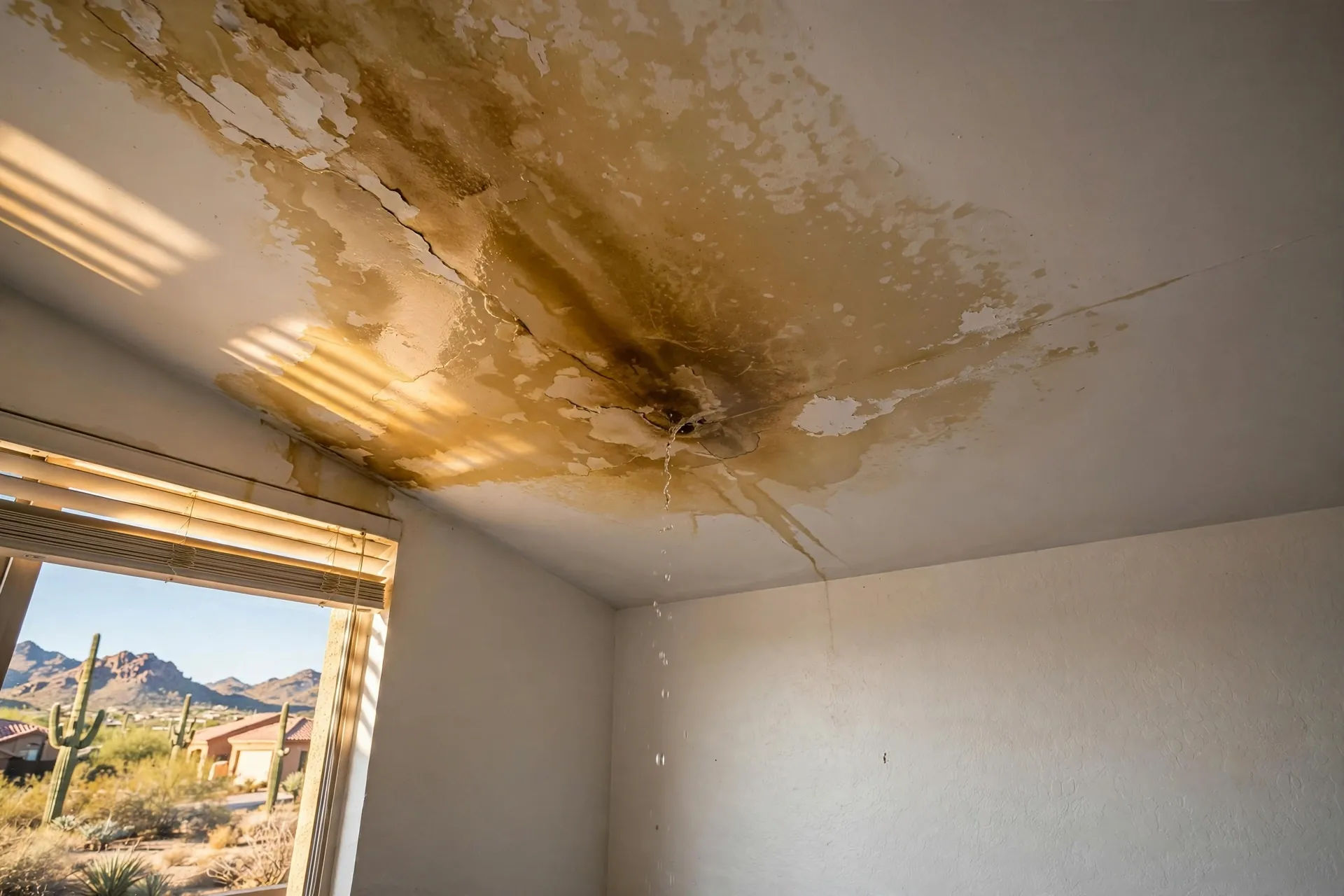
· Roof Repairs Scottsdale
Scottsdale is not one housing market and it is not one kind of roof. A 1970s home in McCormick Ranch, a hillside house in Troon North and a flat-roofed home near Old Town can sit within a few miles of each other and still need completely different attention from a roof inspection. The best neighbourhoods Scottsdale roof inspection guide is not a league table of places with the nicest houses — it is a map of where inspections matter most, what an inspector should look for in each area, and how the age, shape and rules of each neighbourhood change the job.
This guide walks through the neighbourhoods where a reliable roof inspection pays for itself most often, and explains what makes each one different. If you are buying a home, selling one, returning after a summer away, or simply trying to keep a roof in good shape through monsoon season, the area you live in shapes what the inspection should cover.
Why the neighbourhood matters for a roof inspection
Three things change from one Scottsdale neighbourhood to the next: the age of the homes, the roof types the area was built with, and the rules that govern what can be changed. Age matters because the waterproof layer beneath a tile roof — the underlayment — usually lasts 15 to 25 years in this climate, so a home built in the 1980s may be on its second or even third underlayment while a home built ten years ago is still on its first. Roof type matters because tile, shingle, flat and foam roofs fail in different places: tiles slip and underlayment ages, shingles lose granules under the sun, flat roofs pond at scuppers, and foam roofs wear at seams and coatings.
The third factor, the rules, matters more in Scottsdale than in most cities. Many neighbourhoods have a homeowners association with an architectural review process, and that process often controls which tile profiles and colours can be used, how a re-roof should look from the street, and what paperwork is needed before work starts. An inspection that ignores the HOA picture can recommend a repair that the association will not approve in that form. A good inspector knows the area well enough to flag that early, so the repair plan fits the neighbourhood as well as the roof.
Old Town Scottsdale: parapets, flat roofs and older homes
Old Town is one of the best neighbourhoods Scottsdale roof inspection work is most often needed in, because it combines older homes, a high share of flat and low-slope roofs, and parapet walls with scuppers. Flat roofs here are often hidden behind a parapet, so the roof itself is invisible from the street — and problems can grow unseen. The inspection has to look at the parapet cap, the scuppers that drain the roof, and the low spots where water ponds after a storm. A scupper blocked with leaves and dust is a small thing to clear and a big thing to ignore, because ponding water is heavy and it finds seams.
Many Old Town homes have also been extended or altered over the years, and those alterations create joins between old and new roof sections. Joins are where leaks start: two surfaces meeting at different heights, flashing that was added later, a new skylight or vent cut into an old deck. An inspection in Old Town should spend time on those joins, on the condition of the coating over the flat sections, and on any area where a previous repair is visible. If you own one of the older homes here, an inspection before monsoon season and another after it is a sensible rhythm, because the flat roof has nowhere to hide its problems once the heavy rain arrives.
McCormick Ranch: the underlayment question
McCormick Ranch is a large, established community of homes built mostly from the 1970s onward, and it is one of the places where the underlayment question matters most. A tile roof here can look perfectly sound from the street while the underlayment beneath it has reached the end of its working life. The tiles are the visible surface; the underlayment is the layer that actually keeps water out. When it ages, water that gets under a slipped or cracked tile no longer runs safely away — it soaks through.
An inspection in McCormick Ranch should therefore look past the tiles. The inspector will check for slipped and cracked tiles, look at the valleys where water runs, examine the flashing around chimneys and vents, and look in the attic for signs that water has been getting through — stains on the decking, damp insulation, or daylight where it should not be. If you are buying a home in McCormick Ranch, the age of the underlayment is one of the most useful things an inspection can establish, because it tells you whether you are looking at a roof with years of life left or one that is heading towards a lift-and-relay, where the sound tiles are lifted, the underlayment is replaced, and the tiles go back on.
Gainey Ranch: tile matching and HOA detail
Gainey Ranch is known for its larger homes and its strong architectural standards, and roof inspections here have an extra dimension: matching. Many homes have concrete or clay tile in profiles and colours that were chosen to fit the community, and a repair that uses the wrong profile or a visibly different colour can stand out and can run into HOA review. An inspection should note the tile profile, the colour range, and whether matching tiles are still available, so that any repair plan is realistic from the start.
Beyond matching, Gainey Ranch roofs face the same Scottsdale pressures as anywhere else — sun, thermal cycling, monsoon wind and rain — but the homes are often larger and more complex, with multiple roof planes, valleys, dormers and skylights. Each of those features is a place where water can find a way in, and each one needs to be checked. A thorough inspection here takes time, and it should end with written findings and photographs that show the condition of each section rather than a single general verdict on the whole roof.
DC Ranch: newer homes, hillside exposure
DC Ranch is one of the newer large communities in North Scottsdale, and inspections here are often about catching construction-stage and early-life issues before they grow. Newer does not mean without issues: a roof that is only a few years old can still have a flashing detail that was never quite right, a valley that collects debris, or a vent that was sealed poorly. The hillside setting adds wind exposure, and wind finds the edges of a roof first — ridges, hips and the eaves.
For buyers in DC Ranch, a pre-purchase inspection is a sensible step even on a young home, because it checks the things that are hard to see from the ground and easy to miss in a general home viewing. For owners, an inspection after a strong monsoon storm is worth arranging, since wind-lifted tiles and displaced ridge caps are the most common storm findings in exposed hillside areas. The inspection should also look at drainage around the home, because water running off a hillside roof in a heavy downpour needs clear gutters and downspouts to carry it away from the walls.
Troon North: desert edge, wind and tile
Troon North sits against the desert edge, with dramatic views and open exposure to wind. The homes here are often large, with complex tile roofs and long ridge lines. Wind is the main inspection theme: lifted and displaced tiles, ridge caps that have moved, and flashing that has been worked loose over successive storm seasons. The desert setting also means dust and debris, which collect in valleys and behind parapets and can hold moisture against the roof surface long after a storm has passed.
An inspection in Troon North should include the ridges and hips, the valleys, and any section of roof that faces the prevailing storm winds. It should also check the condition of the underlayment at the eaves, where wind-driven rain is most likely to be forced under the tile edge. Owners here often leave for the summer, which makes a pre-departure inspection and a post-monsoon check a sensible pair: one to make sure the roof is sound before the storms, and one to catch what the storms did while the house was empty.
North Scottsdale: newer builds and buyer checks
North Scottsdale covers a wide spread of newer developments, and the inspection story here is similar to DC Ranch: younger roofs, but still worth a proper look. Construction-stage issues — a pipe boot that was never sealed well, a skylight flashing that relies too much on sealant, a cricket missing behind a chimney — can sit quietly for a year or two and then show up as a stain on a ceiling after the first big monsoon. A buyer inspection catches these early, while they are still small repairs rather than interior damage.
North Scottsdale also has many homes with solar panels or with roofs prepared for them. Panels add penetrations and change how water runs across the surface, so an inspection should look at the panel mounts and the flashing around them, and at whether debris is collecting under the panel edges. If you are planning to add panels, an inspection first is wise: it is far easier to deal with an ageing underlayment before panels go on than after.
South Scottsdale: a mix of ages and roof types
South Scottsdale is a mix — older homes alongside newer ones, tile next to flat and foam, small single-storey homes beside larger ones. That mix is exactly why inspections here need to be roof-specific rather than generic. A flat foam roof in South Scottsdale needs its seams and coating checked and its scuppers cleared; a tile roof of the same age needs its underlayment and valleys checked. One checklist does not fit both.
South Scottsdale also has many homes where a roof has been repaired in stages over the years, and staged repairs create their own inspection story: different materials meeting, patches of different ages, a section that was recoated while the next section was not. An inspector should map those stages, because the joins between them are where leaks begin. For owners of older homes here, the inspection is also a chance to plan: understanding which sections have life left and which are nearing the end helps you budget for the work in stages rather than facing it all at once.
Grayhawk, Desert Mountain and Pinnacle Peak: larger homes, longer roofs
Grayhawk, Desert Mountain and Pinnacle Peak share a pattern: larger homes, often with long roof planes, multiple levels and extensive tilework. The inspection challenge is scale — there is simply more roof to check, more valleys, more penetrations and more ridge line. A good inspection here is methodical, working plane by plane and recording what was found on each one, with photographs to match.
Desert Mountain and Pinnacle Peak add elevation and exposure to the picture, so wind and driven rain matter more, and the valleys between hillside sections can carry a lot of water in a storm. Grayhawk's family homes often have the added complication of trees close to the roof, with branches that drop leaves into valleys and gutters and can scratch or dislodge tiles in a storm. In all three areas, the inspection should end with a clear written record, because on a large roof a verbal summary is not enough to plan repairs properly.
What a good inspection covers in every area
Whatever the neighbourhood, a reliable roof inspection follows the same logic: look at the covering, look at the details, look underneath, and write it down. The covering is the tile, shingle, foam or metal surface — checked for damage, displacement and wear. The details are the flashings, valleys, pipe boots, vent collars, skylights and scuppers — the small parts that fail most often. Underneath means the attic or roof void: stains on decking, damp insulation, daylight, and any sign that water has been getting through. Written down means photographs and notes tied to each part of the roof, so you can see what was found and where.
A good inspection also explains what it found in plain language and separates urgent items from things to watch. A slipped tile over old underlayment is urgent. A small area of granule loss on a shingle roof is something to watch. A blocked scupper is a quick fix that prevents a bigger problem. That separation is the real value of an inspection: it turns a roof from a worry into a plan, with the urgent work first and the rest scheduled sensibly.
Seasonal owners: inspect before summer and after monsoon
Scottsdale has many seasonal owners who spend the summer elsewhere, and for them the inspection calendar matters more than for anyone. A roof left through monsoon season while the house is empty can develop a leak that runs for weeks before anyone notices, and by then the interior damage is far worse than the roof damage. Two inspections cover this: one before departure, to make sure the roof is sound and the gutters and scuppers are clear, and one after monsoon season, to catch what the storms did.
The pre-departure inspection should also check the things that fail quietly: a pipe boot that has gone brittle in the sun, a valley full of leaves, a foam seam that has opened. None of these announce themselves. They wait for the first heavy rain of the season. If you are a seasonal owner, ask for the findings in writing with photographs, so you can review them from wherever you spend the summer and plan the work for your return.
How often should each type of home be inspected?
As a rule of thumb, a Scottsdale roof should be inspected at least once a year, and after any severe storm. Older homes in McCormick Ranch and Old Town benefit from twice-yearly checks — before monsoon and after it — because their roofs are older and their underlayment and coatings are nearer the end of their working life. Newer homes in DC Ranch and North Scottsdale can often work to the annual rhythm, with an extra check after any storm that brought hail or strong wind.
Flat and foam roofs deserve attention on the same schedule, with an extra look at drainage: scuppers and gutters should be clear before the rains, because a flat roof with blocked drainage ponds water, and ponding water is the fastest route to a leak. If your home has large trees nearby, check the valleys and gutters more often, since leaves and debris build up faster there. And if you are buying or selling, an inspection at that moment is worth arranging regardless of the calendar, because it gives both sides a clear picture of the roof's condition.
For a closer look at how to keep a roof in shape between inspections, read our guide on how to maintain your roof for Scottsdale's climate. If your home is in one of the areas above and you want the inspection shaped to that area, start with roof inspection in Scottsdale and mention your neighbourhood when you call. Homes in McCormick Ranch, where underlayment age is the key question, are covered on our roof repair in McCormick Ranch page, while roof repair in DC Ranch looks at the newer hillside homes, and roof repair in Troon North covers the exposed desert-edge roofs.
Frequently Asked Questions
1. Which Scottsdale neighbourhood needs roof inspections most? Older areas such as Old Town and McCormick Ranch, where roofs are older and underlayment may be near the end of its life, benefit most. Newer areas such as DC Ranch and North Scottsdale still need checks, especially after storms and before a purchase.
2. What does a roof inspection cover? The covering, the flashings, valleys, pipe boots, vents and skylights, the gutters and drainage, and the attic side of the decking. It should end with written findings and photographs tied to each part of the roof.
3. How does a homeowners association affect roof work? Many Scottsdale neighbourhoods have architectural review that governs tile profiles, colours and the look of the roof from the street. An inspection should note the tile profile and colour so the repair plan fits the association's expectations.
4. I am a seasonal owner. When should I inspect my roof? Once before you leave for the summer, to make sure the roof is sound and the drainage is clear, and once after monsoon season, to catch what the storms did while the house was empty. Ask for the findings in writing with photographs.
5. How is an inspection different on a flat roof? Flat roofs are checked for ponding, blocked scuppers, the condition of the parapet cap and the coating, and the seams. Drainage matters more on a flat roof than on a pitched one, because water that cannot drain away will find a seam.